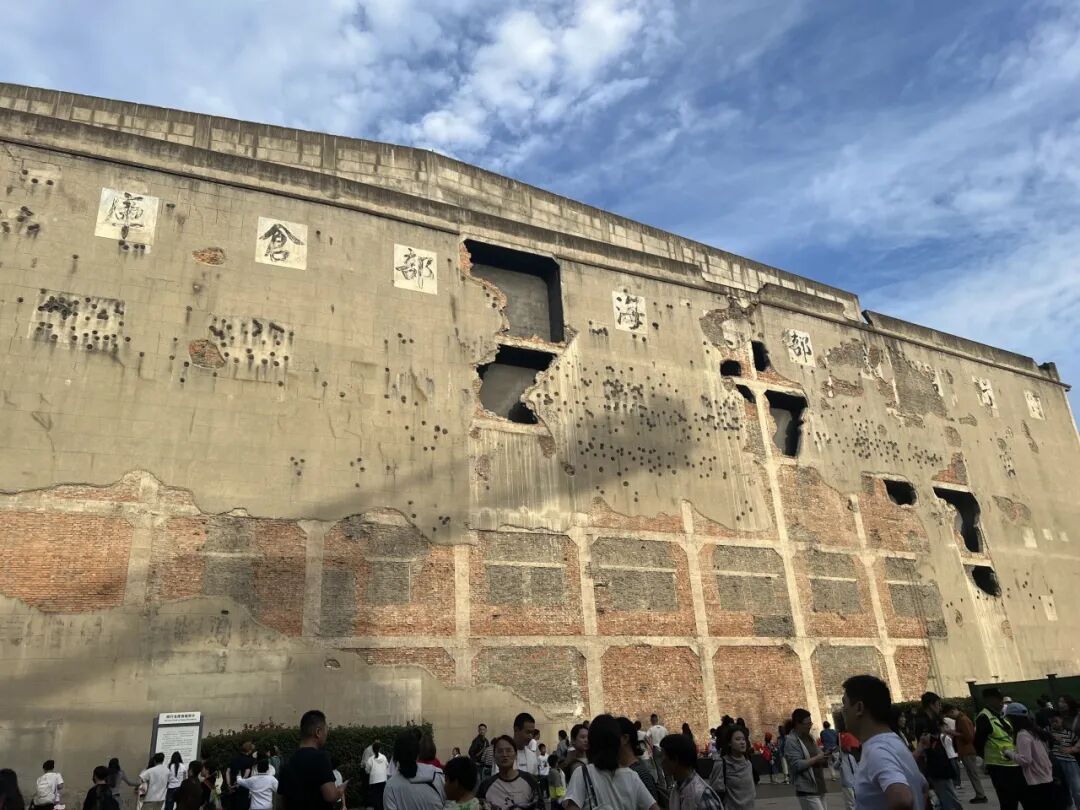
There is a walk I keep coming back to: the Suzhou Creek at dusk, below the west wall of Sihang Warehouse. The wall still carries the bullet marks of 1937; across the water the city switches its lights on, one tower at a time. A century of history folded into a single view — and, it turns out, into a series of watch dials.
A city’s character can be written in brick — or condensed into the few square centimetres of a dial. The Chinese maison Merkur read Shanghai through five of its landmarks and cast them into a limited series of tourbillons, one for each of the five elements.
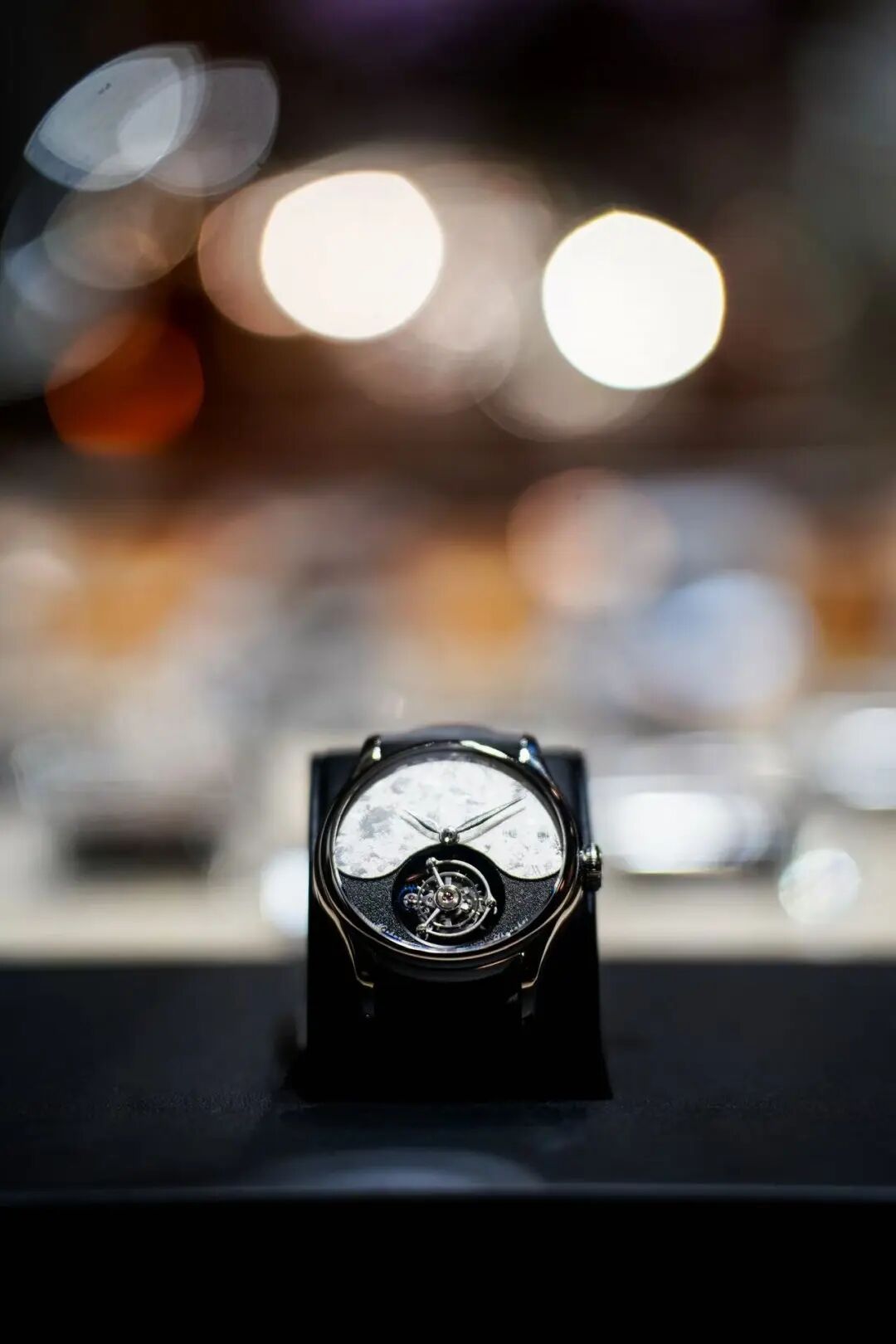
Metal is the magnolia, Shanghai’s own flower: a brushed-metal dial that holds the petals mid-unfurl, with the restrained lustre of a city that absorbs everything and shows off nothing.
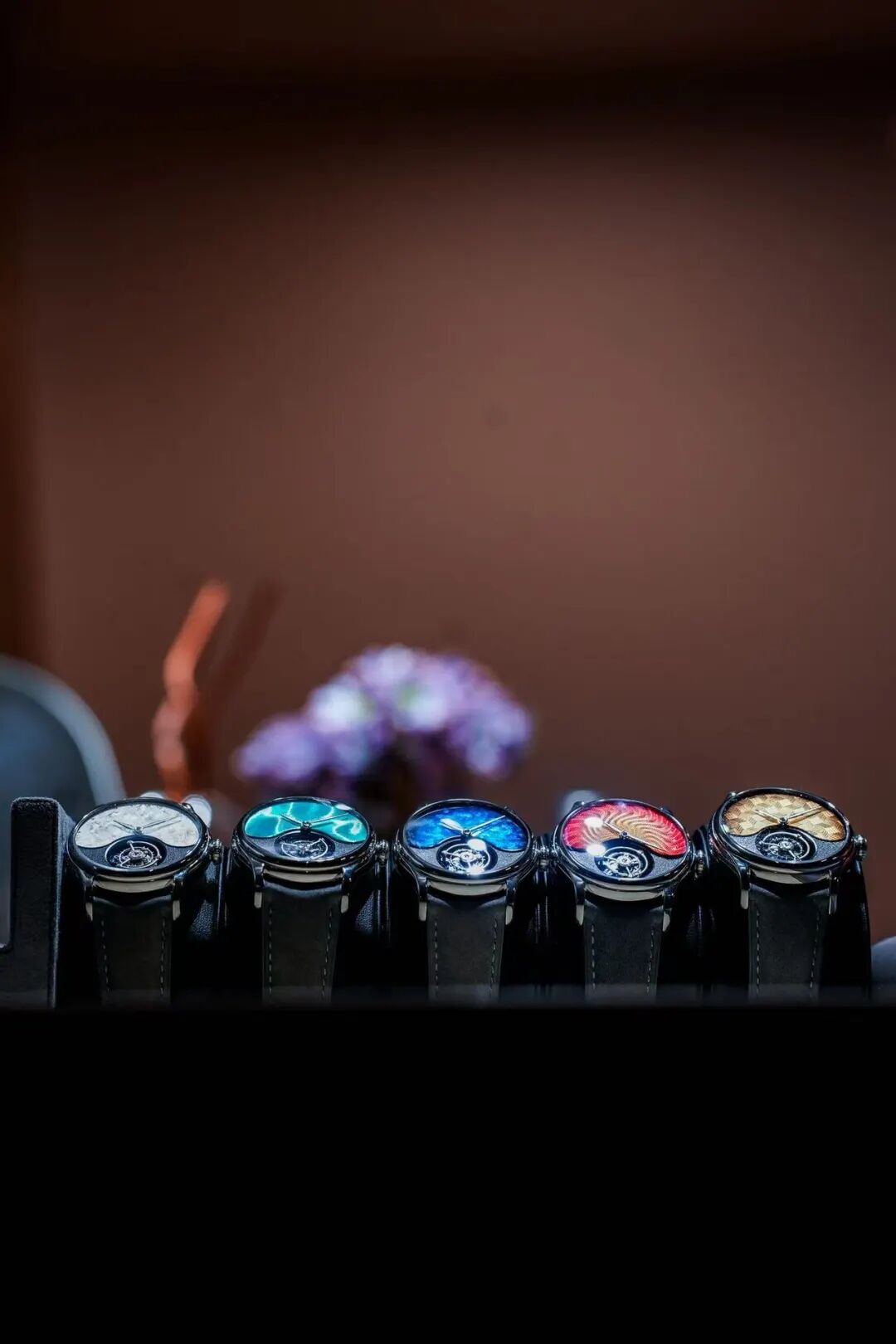
Wood belongs to Yu Garden. Lattice-window motifs and mortise-and-tenon composition are engraved across the dial — a Jiangnan garden in miniature, worn on the wrist.
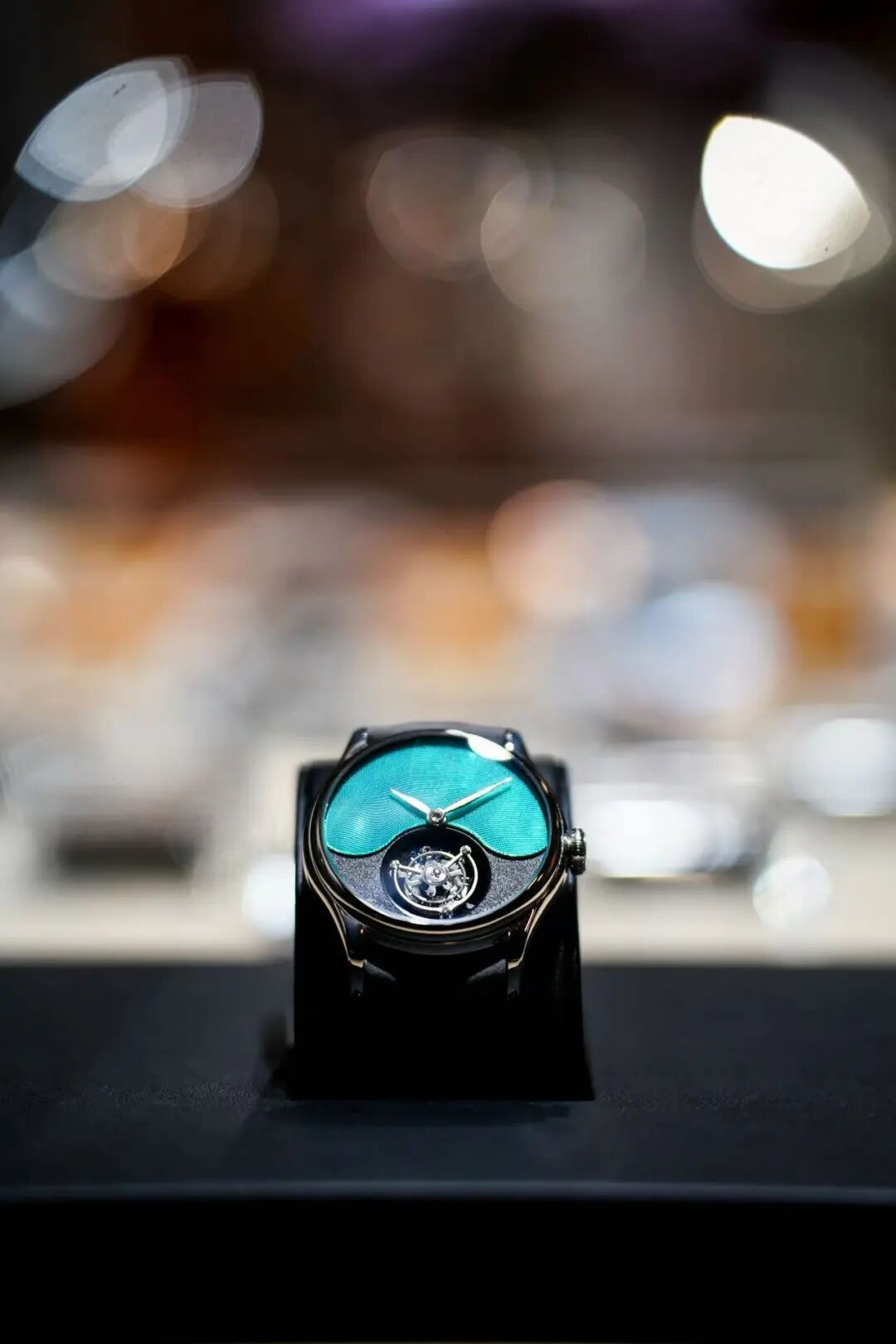
Water returns to the Bund. Guilloché waves reproduce the Huangpu’s shimmer, and a century of riverfront stories keeps turning with the seconds.
Fire traces back to the Shikumen lanes, where the city’s modern history caught alight — remembered here in warm red wave engraving.
Earth settles on Jing’an Temple, the thousand-year monastery in the middle of the rush: a meteorite dial, calm, ancient, unhurried.
The same tourbillon base, five different stories. For a visitor who has just walked these places, the dial becomes a map of the day — which is precisely the point. This is not another international brand bought at any airport; it is a serious movement wearing the city you just walked.
Beyond the series, the atelier takes commissions: hand-painted, guilloché, enamel or meteorite dials — your own map of the city, or a private symbol, rendered one of one. The British artist Matt collaborates on hand-painted pieces, and pricing runs from accessible personalisation to full high-end commissions.
As I stood below the warehouse wall, it struck me that history need not stay on museum walls — sometimes it can be worn. Time moves on, the river stays; a watch is how we carry both.